Explore the artist statements and artwork details below. Each work is numbered to match the corresponding artist on this page.
Cast your vote for the People’s Choice Award here.
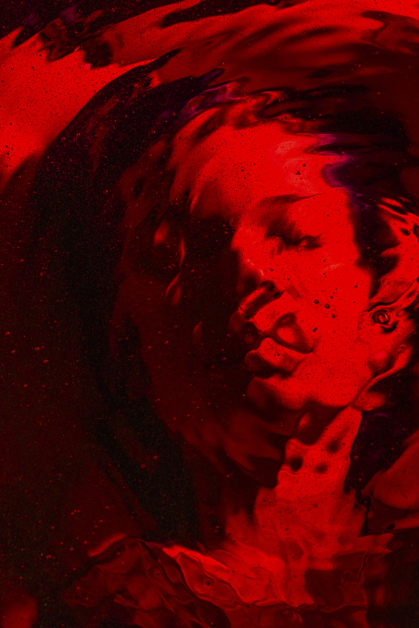
Transmuted, 2025
Inkjet print on Platine fibre rag , framed with Artglass AR 70
90 x 60cm
What isn’t said
can still be heard.
It echoes.
What has no sound
scream.
What goes unheard
silence.
It shifts.
To speak is to know what we carry —
perhaps.
If it fits,
if it’s felt,
if it overflows,
it flows into the other —
who absorbs you and returns you,
blended, changed.
It floods you.
What was once only yours,
is now ours.
It moves through us,
remakes us,
becomes,
claims,
reshapes.
Overflows,
transforms,
transmutes.
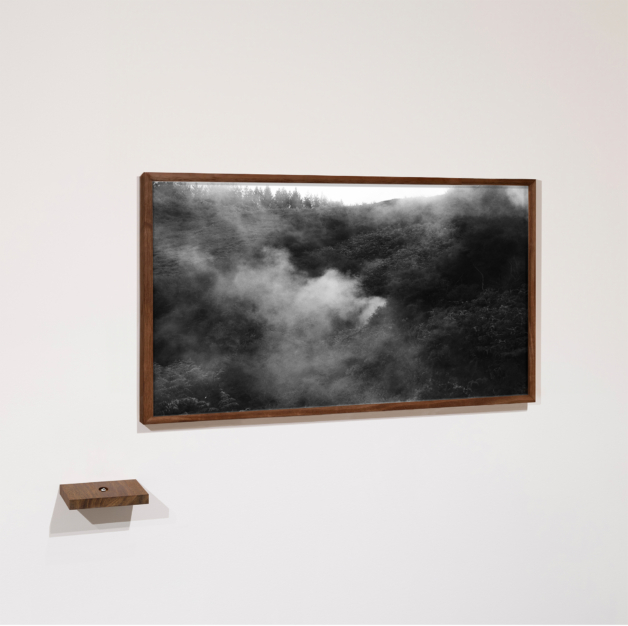
The Death of Images, 2024
35mm photograph, silver recovered from spent photographic fix
Framed image: 63 x 87 x 4 cm
Recovered silver: 12.5 x 12.5 x 2 cm
At the intersection of landscape and language lies silver, alight-sensitive metal that is the cornerstone of the photographic industry. As silver resources dwindle worldwide, they force us to consider new ways in which to document the world around us. Recovered from spent photographic fix, the silver nugget holds the memory of all the images it once processed, underscoring the precarious interplay between media and the environment and the far-reaching socio-ecological implications of image-making.
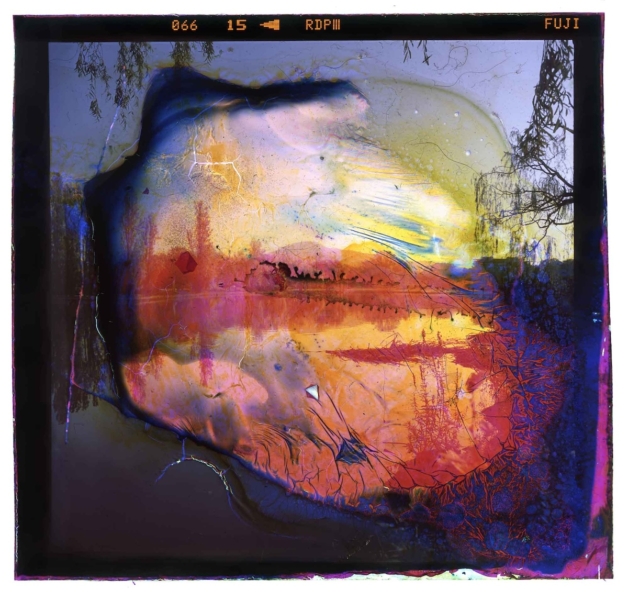
3 weeks, 2 days, 7 hours (Lake Burley Griffin), 2025
inkjet print
100 x 100cm
This photograph documents the slow violence of environmental decay by allowing the landscape to imprint itself physically and visually onto film. Returning to the original site of the photograph, I submerged the developed film in Lake Burley Griffin for 3 weeks, 2 days, and 7 hours. Through this durational process, the image underwent natural deterioration, marked by colour shifts, chemical reactions, and organic disruptions shaped directly by the land and water.
This material intervention moves photography beyond representation, positioning it instead as an active participant in the cycles of change that define our environment. By re-immersing the film in the same location where it was first exposed, the work creates richly textured connections between place, impermanence, and the tangible interaction of materials with their surroundings. By relinquishing control of the photographic process to the landscape, I invite reflection on impermanence and on how place shapes perception, matter, and memory.
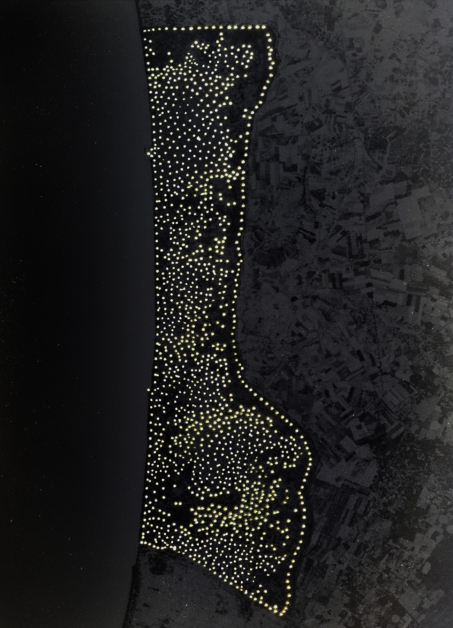
Gaza Stripped, 2024
inkjet print
59.4 x 84.1cm
On the 30th January 2024, The Guardian published a satellite map illustrating the destruction by occupying forces within the Gaza Strip. Much of the Strip had been damaged. Using the information from that map, I made a stencil from card by piercing little holes wherever the destruction was seen in the map. From the stencil I made a lumen print, then photographed that lumen and overlaid it onto the satellite map.
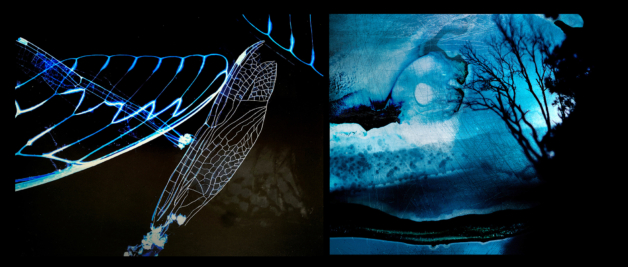
A Lost Place; Cicada wings and blue landscape, 2021-2023
C-type prints
38.2 x 90cm
This diptych is a personal meditation on the climate crisis in Australia that connects its colonial past with its precarious climate future. As these fires continue to grow in frequency and severity due to escalating global temperatures, this image (part of a larger body of work) raises the question of how colonialism and climate change are linked.
(Left) This photogram was made in the colour darkroom from the wings of cicadas and dragonflies which I found on the beach in Callala Bay (jerrinja and wandi wandian Country). (Right) A landscape made of Ulladulla, (yuin country).
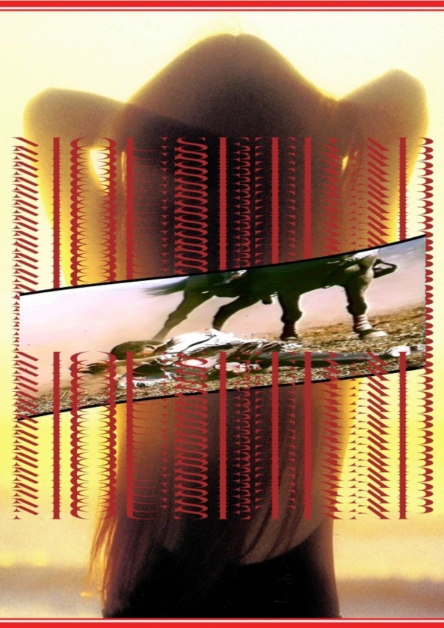
Mousetrap, 2024
inkjet print
88 x 64cm
Within my work, I have used collage as a catalyst to bring together a variety of mediums on a digital canvas, exploring the various representations and symbols of ‘Australianess’. The resulting body of work becomes a melting pot of imagery and digital painting, aiming to critique and elicit an emotional response of selfhood in relation to nationhood. This exploration stems from my own inward reflection on who I am and how others, including myself, have perceived my family history. Living in rural Australia, coupled with my long family history of working the landscape, has led me to question notions about how we, as Australians, perceive the history and legacy of our colonial past.
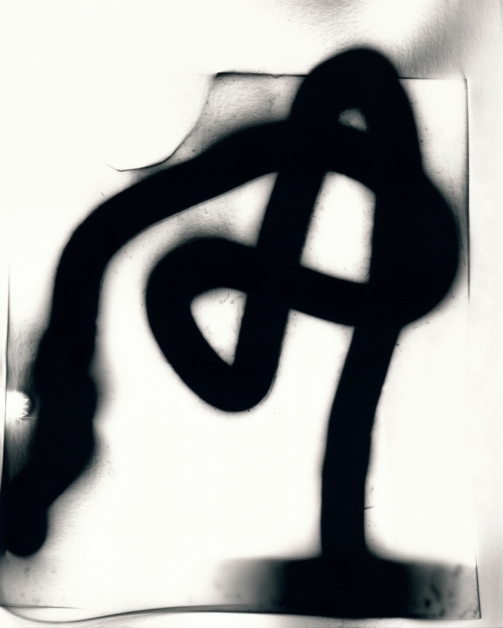
Launch, 2024
unique state fibre-based silver gelatin print (photogram)
20x25cm
Framed
From the series Dark Energy, experimental darkroom work created as a photo aartist-in-residence and inspired by Canberra’s Mt Stromlo, Launch is a playful nod to inventors, visionaries and risk-takers. Internationally renowned for its astronomical research and innovation, Mt Stromlo also holds deep significance as a portal for local Ngunnawal knowledge of ‘sky country’. Inspired by the persistence of human imagination and scientific curiosity in the face of adversity, Launch draws upon the cameraless techniques of the surrealists, playing with light, energy and time to evoke mysterious universal forces and notions of expansion and possibility.
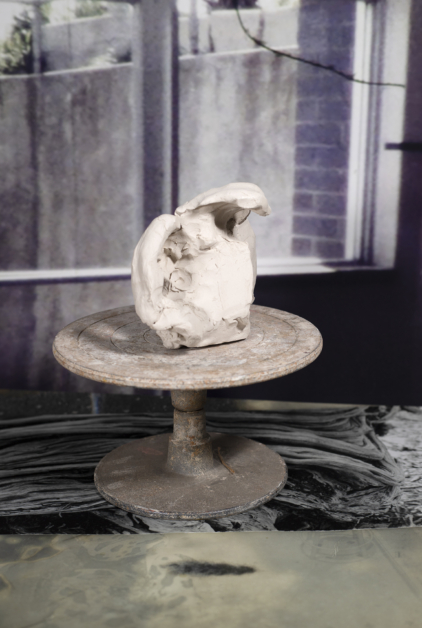
Slurry (After Maar and Matter), 2024
archival pigment print
70 x 47 cm
This work gestures toward the constructed dreamscapes of surrealist Dora Maar, while extending my inquiry into the illusionistic and mnemonic nature of photography. Drawn from found Super 8 footage—captured in the mid-1970s by a group of teenage boys at my former high school—the props and backdrops are decontextualised to probe the afterlives of objects. I am drawn to how things—pedagogical, decorative, sentimental—transform when dislodged from their original context and situated within altered temporal and spatial realms. The medium of photography becomes both a tool of preservation and agent of transformation, allowing these displaced artefacts to exist simultaneously in disparate times and places.
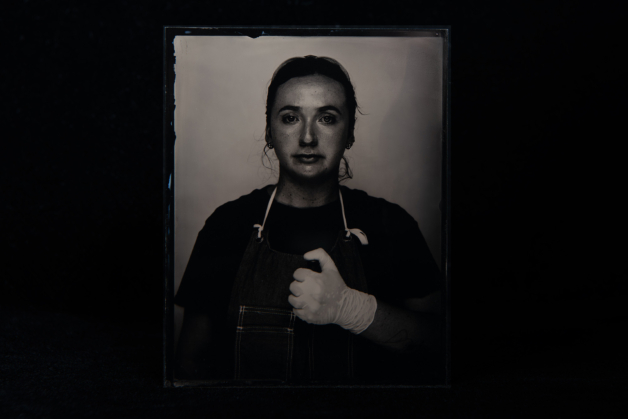
The Technician, 2025
Tintype
33x30cm (framed)
The Technician is a self-portrait created using the tintype process, an early photographic method. Like many artistic mediums, photography has a gendered history; the roles of photographer and technician have traditionally been occupied by men. In this work, I inhabit the dual position of subject and image-maker, appearing in the very uniform I wear to produce the image.
By using a cable release, I disrupt the visual economy of this historically gendered medium, no longer the object under a patriarchal lens, but the one directing both its technical and representational apparatus. The image employs mise-en-abyme to open space for a feminist rewriting of the photographer/muse dynamic. It gestures toward the unseen labour behind image-making and the authority long withheld from women throughout photography’s history.
As a unique, one-of-one object, The Technician resists the reproducibility of the digital era. It insists on the material presence of the female image-maker, anchored in a slow, chemical, and embodied process. This work is both an act of reclamation and a quiet assertion: of authorship, autonomy, and agency within the frame.
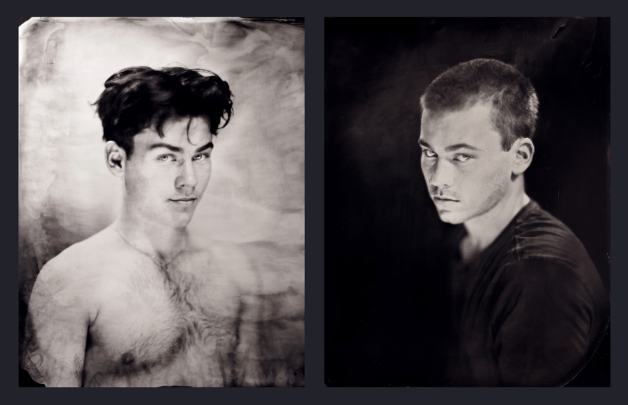
Sam, 2024
polycarbonate, epoxy resin, toner, acetate, enamel, aluminium composite panel and wet-plate collodion on aluminium
40 x 60cm
Sam is my son, and there is only one side to his character – he is funny, sunny, and agreeable. He visited one day with a Romper Stomper haircut, so we played around creating a tintype of his “dark side”. Both images are shot with an old Wollensak projector lens, which lends a slightly soft and glamorous quality. I feel it adds to the irony of the piece.
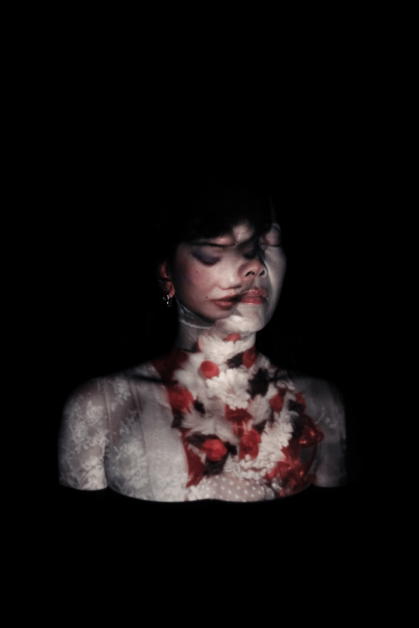
Gens, វង្សាវញាណ, 门第 15, 2025
inkjet print
54cm x 40.2 x 3.5cm
David Newson-Tran is a multidisciplinary artist whose work explores themes of death, family, and identity. He uses art to process subconscious ideas and fears, reflecting on the fragility of life. His projects are inspired by personal experiences and cultural narratives, often examining the tensions between societal expectations and individual choices. By blending materials and techniques, he creates works that investigate memory, mortality, and the passage of time. Each piece invites reflection on the fears and uncertainties that shape human existence, offering a direct exploration of identity and connection.
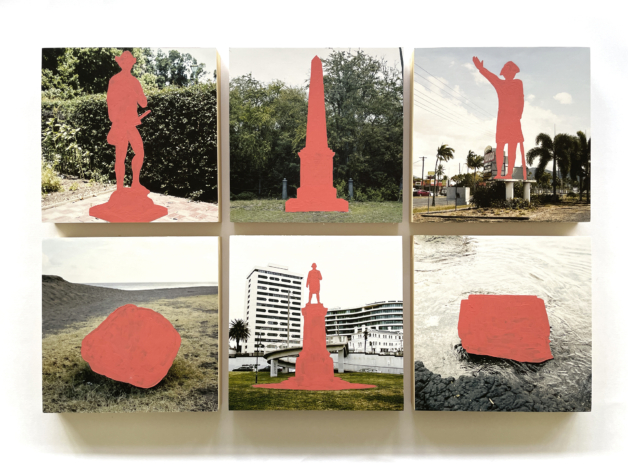
From the ongoing project Near this spot, 2024
6 c-type photographs, acrylic paint, timber panels
40 x 60cm
On the island of Hawaii, at the edge of Kealakekua Bay, a decaying monument memorialises that “Near this spot” the death of Captain James Cook occurred in 1779. This marking of the land ensures that a particular story is privileged. Over time, the natural elements slowly reclaim and decolonise the landscape by degrading monuments. Inspired by this action, six monuments to Cook have been obscured by hand-colouring the surface of the photographic prints with pink acrylic paint.
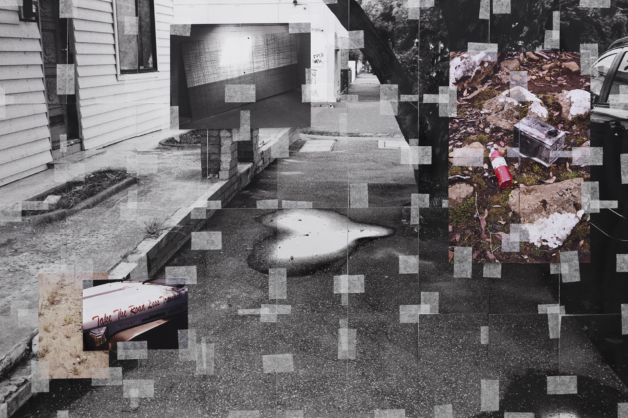
Take the Road Less Travelled, 2025
10 x 16cm prints, medical paper tape, epoxy resin on canvas board with an oak float frame
60 x 90cm
A reassembling of fragmented photographs to explore the reconstruction of personal history from a mosaic of experiences. Drawing from years of making and observation—marked by moments of connection and personal challenge—this work meditates on growth, mistakes, and the lessons learned along the way. This work experiments with how we curate our pasts and whether reassembling fragmented moments can ever fully capture the essence of lived experience.
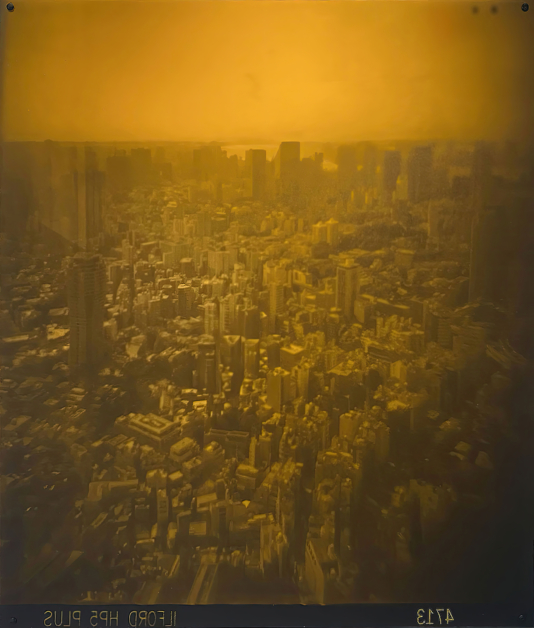
inside forest yellow black, 2025
high resolution digital UV print on Perspex
100 x 70cm
inside forest yellow black represents a false utopia. Shot using a plastic camera to emphasise failure and the aesthetics of a breakdown, the plastic lens subverts current photographic norms to depict a world where clarity is suspect, control is illusionary, and beauty resides in the imperfect. Printed on coloured Perspex to exemplify an artificial pleasure, but still acts paradoxically to imply decay, surveillance and environmental collapse sweetened by consumer culture.
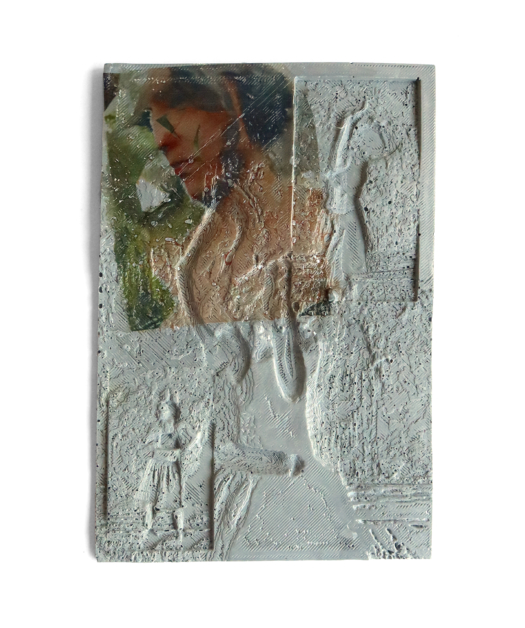
Corporeal Gesticulation, 2025
ink on aluminium and polyepoxide
17.3 x 11.4 x 0.2cm
My body is extracted, it is data. As our autonomy is skewed, content we consume is puppeteered by commercially driven algorithms, and our bodies are targeted. For Corporeal Gesticulation, I performed movement for the audience of my phone. I recorded it via time-lapse which captured the body’s gestures into blurred computational visual data. I superimposed 2 images on top of another to encapsulate different surveilled movements of the body. Using software which translates tonal variation into corresponding heights, I 3D printed the digital model, then created a silicone mould to transform the imagery again into cast aluminium and polyepoxide. Finally, I transferred a flattened image of a 3D scan onto the undulating surface of the cast. I call into question the images which mediate and categorise our bodies. The methodologies all echo the way technology mediates facets of existence and experiences of the body. The almost alchemist metamorphosis of photography capturing the surveilled body into new states of existence, parallels the way imagery transforms reality. The physicality of the printed object constructs a solid corporeal statement standing unswerving amongst the fluid cycle of content we consume and generate via the luminosity of screens, rupturing the artifice of the image.
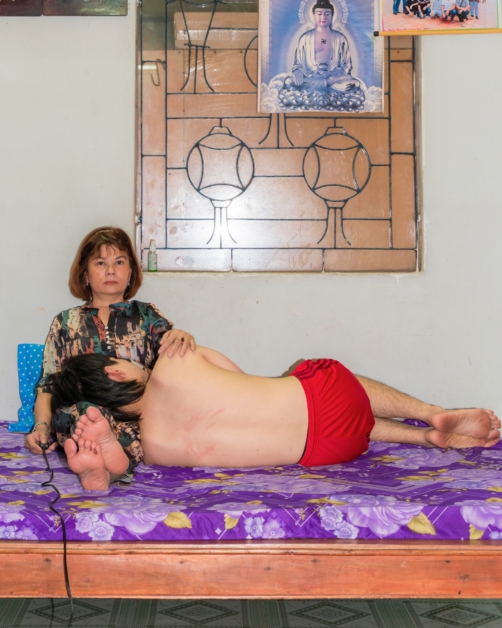
Scratching back, 2024
inkjet pigment print
50 x 40cm
In 2017, at the age of 15, I began studying abroad in Australia. With my immature thoughts at the time, I never imagined that life would take me so far from my family for so long.
This work is part of the series Someday I Will Lose You, in which I document my mother’s life during my visits home. Through this process, I have come to understand my mom more deeply, not only through the photographs but also through the time we spent together. I reflected on my family’s past, on our losses and pains, on my late father, and on the great sacrifices of a single mother who worked tirelessly to raise me and my brother alone.
The image recreates a staged moment from the past: my mother scratching my back—something she often did to help me fall asleep when I was a child. Even now, I sometimes still ask her to do it, knowing that one day, I won’t be able to ask her again. If I had only one wish, I would wish to be with her for the rest of my life. I know I can never fully repay what she has done for me in this life, but I hope that in the next life, I will still be her child.
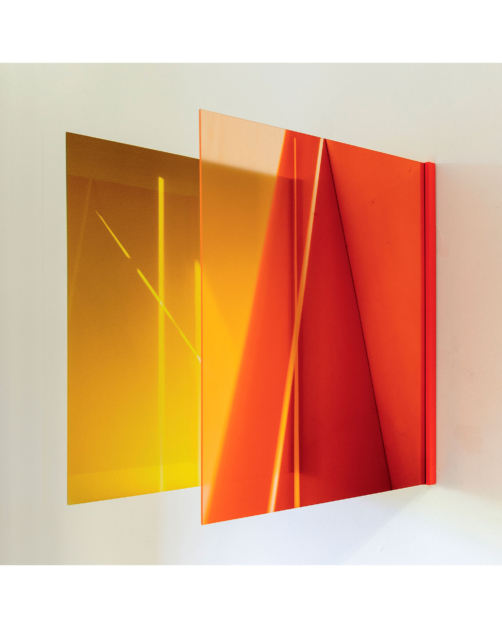
Pattern Recognition, 2024
transparent prints mounted to acrylic, painted timber
61 x 61 x 31 cms
Lisa Stonham is a visual artist based on unceded Gadigal Land. Her multidisciplinary practice is grounded in photography and extends into two- and three-dimensional works that explore space, light, and time. By pushing the boundaries of photography into physical space, she experiments with surface, volume, light, and reflection. Navigating photo-media into sculpture and installation, she blurs distinctions between mediums—inviting hybridisations and slippages. No longer a window to the real, the photograph becomes a collapsing referent hovering on the edge of coherence.
Considering light over time, she observes its seasonal and daily movements across interior architectural spaces. These durational processes reveal temporal rhythms derived from natural cycles. Light acts as collaborator—authoring shadow, reflection, and transformation. Time, here, is not linear but expands, collapses, loops, and reverberates.
Artworks are conceived as spatial and temporal, encountered not as flat images but as volumes and objects. By engaging both planar and volumetric space, her work resists a singular, stable viewpoint and invites multiple perspectives. It examines the variability of perception and the physiological and interactive dynamics of the viewer. An interplay between physical and perceptual affects encourages a reconsideration of how we experience ourselves in architectural, spatial, and internal worlds.
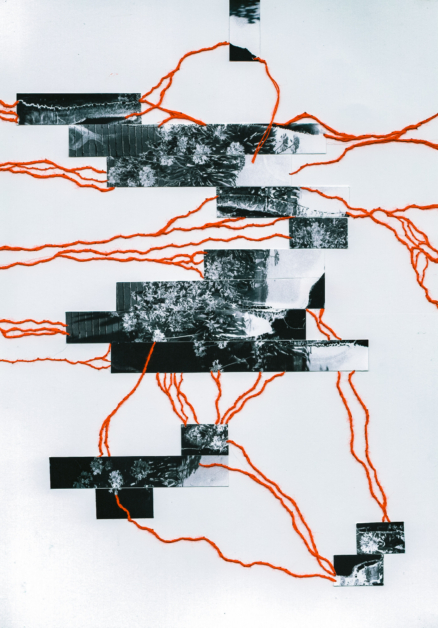
In the Holding, 2025
stitching on photo collage
25x18cm
Aia Solis is a Filipino artist based in Australia whose work explores the emotional and psychological complexities of personal and cultural transitions. Working primarily with photography, she also incorporates stitching and collage to create layered visual narratives that reflect the tensions of displacement, memory, and belonging.
Rooted in lived experience, Solis’s practice is introspective and process-driven, mapping the subtle shifts that accompany growth, loss, and the act of reorientation. Her stitched photographs often reveal both control and unravelling, mirroring the quiet dissonance of migration and the search for grounding in unfamiliar spaces. By merging image, thread, and fragment, she invites viewers into a suspended space between past and present, where meaning is felt as much as it is seen.
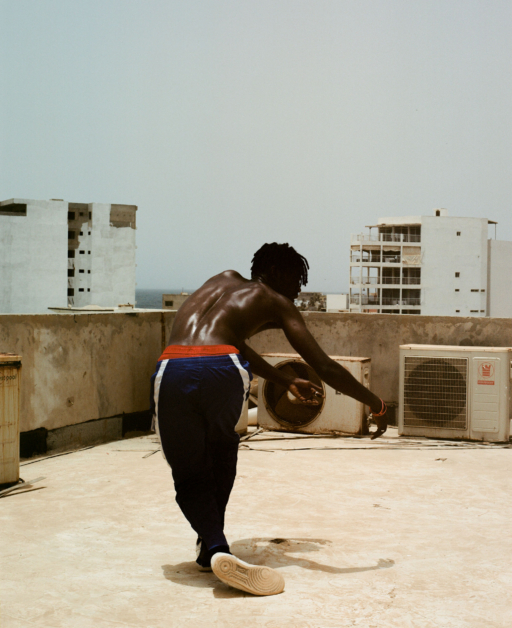
CIRE [001], 2024
analogue photography, inkjet print on Hahnemühle Bamboo
60 x 70 cm
CIRE [001] is a moment captured on a rooftop in Dakar during a seven-month journey through Ghana, Benin, Togo, Nigeria, and Senegal, where I was researching how gender non-conformity exists within Indigenous spiritual and cultural traditions. The work explores how identity is shaped through connection to land, lineage, and embodied memory.
The title draws from the Francophone word “cire,” meaning “wax.” Wax became both material reference and conceptual framework—responsive, impressionable, and capable of recording contact. It reflects how I understand identity: not fixed but shaped through pressure, proximity, and transformation.
The image captures a figure mid-motion, engaged in a gesture attuned to the light. Like wax, the body holds marks of contact but is not defined by them. Like skin, it records touch and holds memory in its shadow.
Shot on medium format and carried across seven countries and three continents—by car, bus, motorbike, pirogue, pragya and plane—the film was hand-developed in a kitchen in Accra using improvised materials. The negatives retain dust, scratches and heat: traces of friction and time.
Framed in a palette drawn from local architecture, the work honours the people and places that shaped it—and continues to shape the way I see, make and remember.
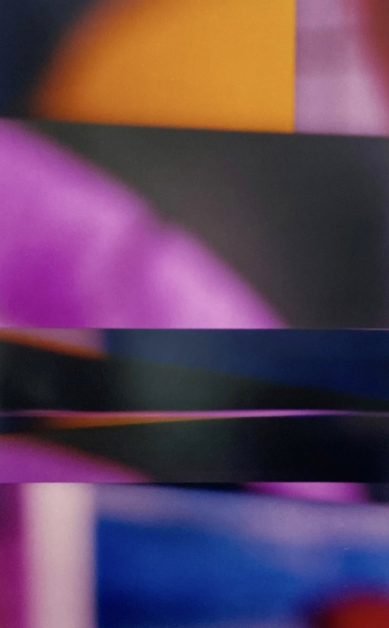
Window Warp I, 2025
Unique colour darkroom print with bespoke angled mirror polish aluminium frame
100 x 64 x 5cm
I hand printed this work in the colour darkroom for my recent exhibition Light | Intersection at photo access. The soft, unfocused quality of the image resists resolution, suggesting depth without ever solidifying into a fixed perspective. The print is angled ever so slightly backwards within the polished aluminium frame to further emphasise the act of perception.
Light | Intersection was both an extension of and departure from traditional photographic methods. The installation embraced the physicality of light, layering it like pigment in a painting, constructing an environment that shifts as viewers move through it. Window Warp I (and its pair, Window Warp II) aim to destabilise perception, leaving the eye searching for a point of clarity that never fully arrives. The image is no longer static—it is unstable, fragmented, always in flux.
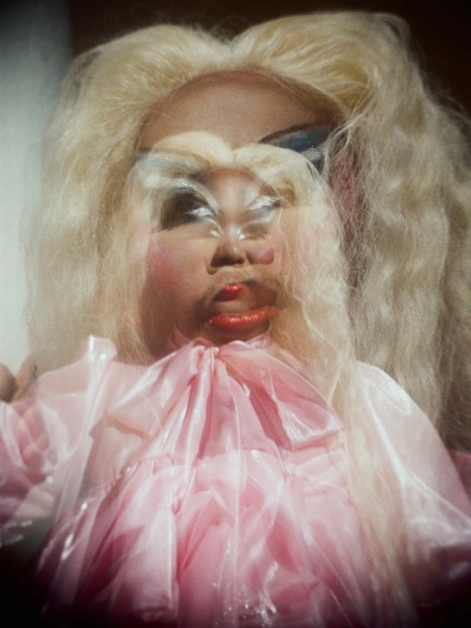
Melissa Intent, 2024
42 x 29.7cm
Using a plastic 35mm toy camera, I took this photo of Melissa Intent, a Naarm-based drag queen. I liked how the image confuses the eye much like a cubist painting, her face is reimagined with the different viewpoints giving it a greater sense of movement. The distortion in the portrait allows the viewer to explore the picture plain differently, the textures of the drag become more apparent.
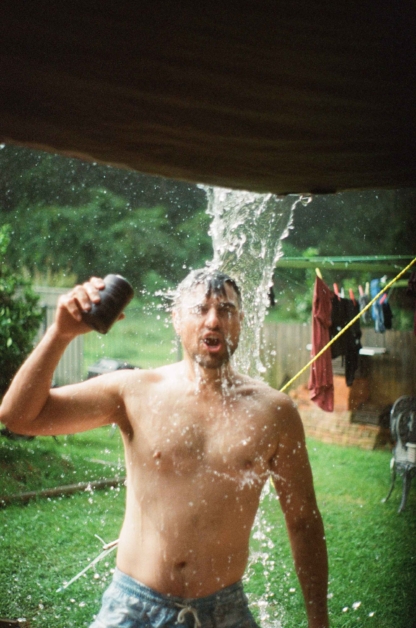
Dare, 2024
inkjet print of scanned negative
59.4 x 42cm
While it was raining, water was cascading over the edge of the trap. My uncle dared to stand under it, but he didn’t hesitate.
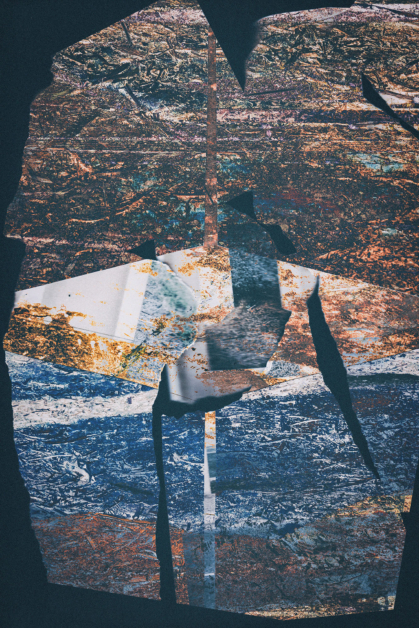
Orroral, 2025
paper and digital photomontage, inkjet print
79 x 54cm
Jordan Stokes is a photographic and media artist based in Canberra, Australia. His practice investigates past and present understandings of landscape and the built environment. A focus on visual intersections with architectural concepts and history expands into urban play and discovery, which connects him with particular sites, stories and locations. Jordan is a graduate of UNSW Art and Design with a Bachelor of Fine Arts (2005) and the University of Technology, Sydney with a Master’s in Media Arts and Production (2008). He has held several solo exhibitions and participated in numerous group exhibitions and art awards throughout Australia.
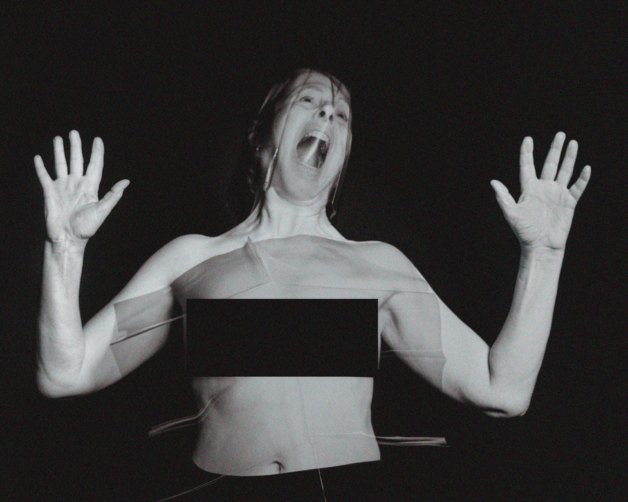
Make it stop, 2024
archival inkjet print
29.7 x 42cm
Andrea Bryant is a Canberra-based photo-media artist whose practice focuses on transforming the commonplace within our everyday environment through abstraction. Working predominantly with black and white photography, the artist often juxtaposes disregarded materials in our lives with the beauty of the natural world, reflecting on the destruction we wage on the environment and ourselves.
Make it stop blends the tangible and intangible, reflecting the artist’s struggle to cope within a world that is becoming increasingly uncertain and difficult to navigate, both on a macro and micro level.
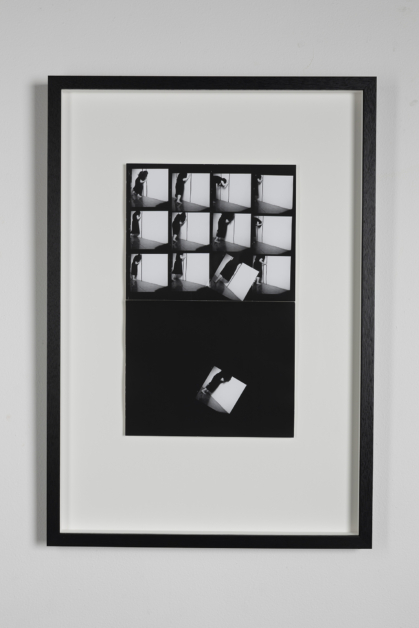
Evidência de Instâncias/Evidence of Instances, 2025
silver gelatin print with ink, diptych
72 x 50 cm
Estudo de uma Parede Interna (Study of an Inner Wall), considers the body and its movement within the confines of the artist’s studio in Lisbon. Reflecting on the work and times of Portuguese artist Helena Almeida (1934–2018), Carkeek, deliberates how the photographic frame and stage can be used as a place for examining understandings of the female body by way of performed and repetitive actions. The studio wall is employed in the frame as a barrier, while the sequenced movements and hand-drawn lines create a relationship between the interior/exterior restrictions of the studio space and female form. Unlike Almeida, whose bodily gestures often break through the space of the pictorial plane, Carkeek’s body persists less theatrically and in vain, further reinforced by the contradictory condition of the photographic.
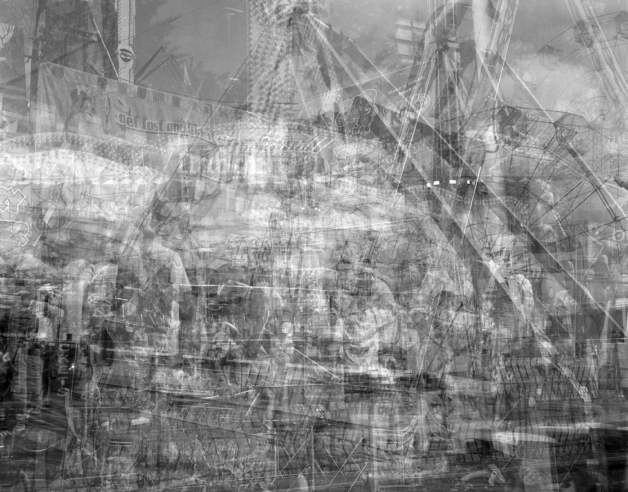
Chaos of the Carnival, 2024
analogue photography, archival inkjet print
78 x 100cm
After working as a press and commercial photographer for 40 years, significant life changes in 2023 saw me embark on a very different path with my photography. Shooting on large-format (4”x5”) film, my neo-surrealist work attempts to show everyday scenes, buildings and events in an unexpected way. The images are multiple exposures, with between 5 and 10 exposures onto a single frame of film. This particular photo, Chaos Of The Carnival, is composed of 10 exposures, and the resulting image is almost an assault on the visual senses. But the more you look into it, the more you see. The photo was taken at the annual Royal Geelong Show, attempting to express the excitement and chaos of the carnival rides and attractions.
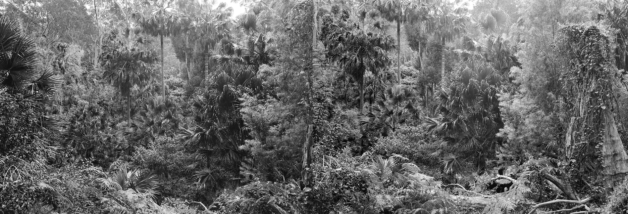
Yuin Country January 2025 (stereoscopically inaccurate), 2025
Composite image from pair of 6x9cm B&W negatives, archival inkjet print
34 x 100cm
The stereoscopic photographic process is inextricably linked to the colonial gaze. In taking ownership of the places and people captured by the lens, stereographs effectively provided manufactured narratives of the exotic. In this image, the overwhelming complexity of the country renders the attempt to create a three-dimensional view unsuccessful. It is a failed stereograph.
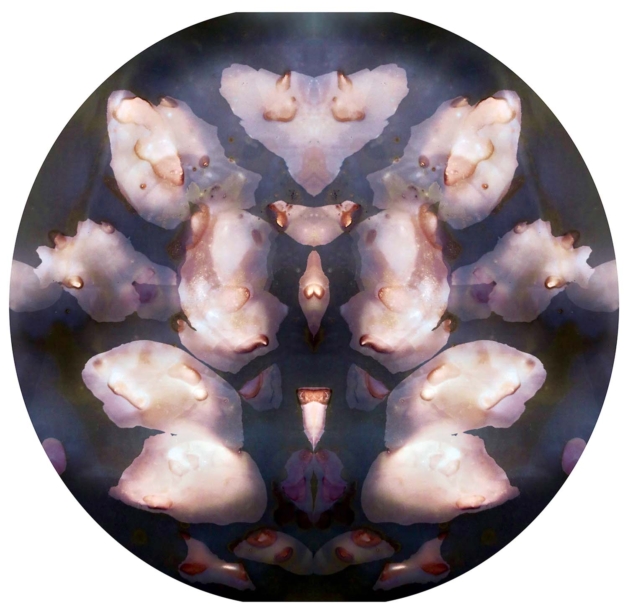
From Above Everything Look Fine, 2025
Limited edition pigment print on archival cotton rag
44.1×45 cm
A distant, almost divine view of Earth, but it’s a close-up of oyster shells. Inspired by Carl Sagan’s Cosmos, the work plays with scale where macro reads as micro. There are between 200 billion and 2 trillion galaxies in the observable universe, and Sagan’s sense of vast time is a reminder that we’re just specks. It’s a strange relief as we’re suspended between urgent politics and the vast indifference of deep time.
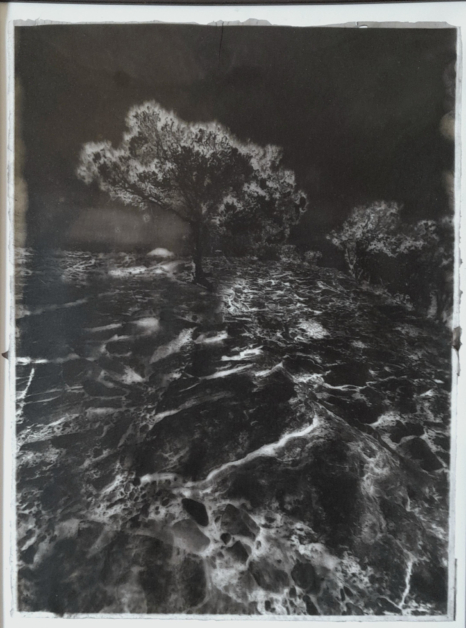
Magnetite waves, 2024
mineral pigment transfer print on paper
50 x 40 cm
This image, of a mulga tree on weathered rock outside Broken Hill, was produced with magnetite and galena collected near the town and ground to pigment in the ‘carbon’ transfer process. Galena has been mined at Broken Hill since 1885 and provided the wealth for BHP. I find the image inspires both the awe of the landscape and what lies beneath it.
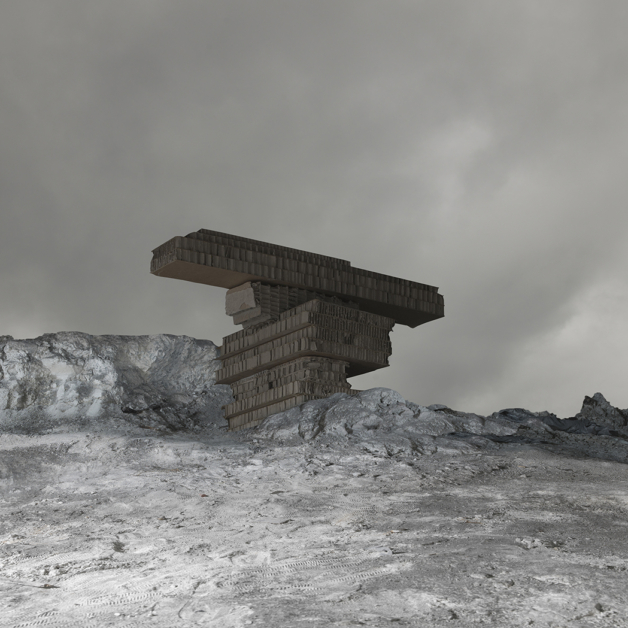
Post-traumatic Urbanist #14, 2025
archival inkjet print
50x50cm
The spectre of architecture looms perniciously in contemporary media culture, its initiatory power a paradox of permanence and codified destruction. David Manley’s art practice operates at a subconscious level, unearthing through a type of visual archaeology the signifiers of human conflict and technological progress, a diagnosis of the ambivalent nature of modernity.
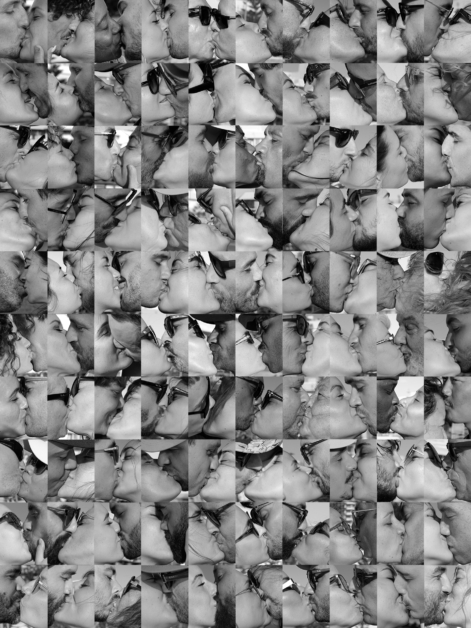
Sun Set Hill Kisses, 2025
digital photo collage, inkjet print
95.6 x 79.9cm
Capturing intimate moments of connection, Sun Set Hill Kisses presents a mosaic of love expressed through a kiss. Photographed over 14 days leading up to Valentine’s Day at Sun Set Hill in Scarborough, WA, this work documents the kiss as both a deeply personal act and a universal gesture of affection. Set within a public space, these moments between lovers unfold in view of others, transforming private intimacy into a shared experience. The repetition of faces meeting, lips touching, and bodies leaning in creates a rhythmic movement across the composition, blurring the line between individual and collective experience. By capturing unscripted expressions of love, Sunset Hill Kisses reflects on the kiss as a fundamental intimate act of love and connection.
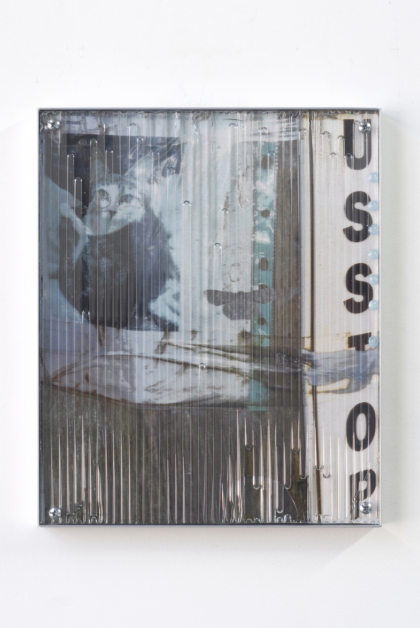
Superstar, 2024
polycarbonate, epoxy resin, toner, acetate, enamel, aluminium composite panel and stainless steel
31 x 25.5 cm
Fleeting encounters with quiet, residual moments of disorder in marginal, abandoned, and overgrown urban landscapes, ambiguous and overlooked spaces whose visual and physical decay disrupt and resist the structures of everyday life.
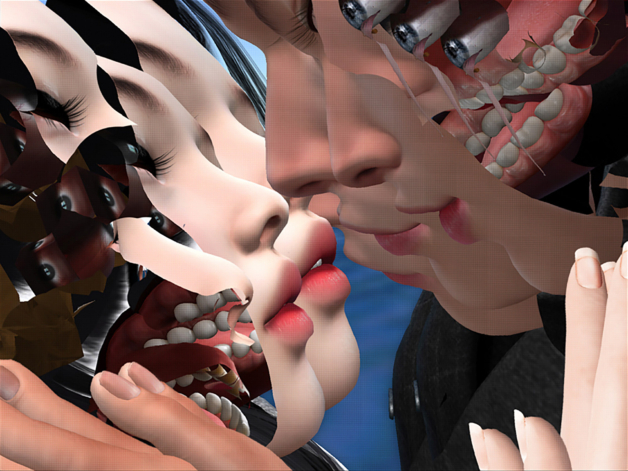
Glitched Out Lovers in Second Life, 2024
archival pigment print
77x100cm
A Photograph of an LCD screen displaying a scene from the virtual reality program Second Life. An ambitious online platform that has enabled millions of people to live out parallel lives amongst one another. Where the plasticity of the digital medium invites everyone to reinvent who they are with unlimited imagination, as well as reveal novel frontiers that reshape our understanding of what the human condition is. Displayed are two avatar lovers glitching out during a kissing animation in a Korean TV drama simulation. Taken from the series A Journey Through Second Life, a photo-documentary that spirals the viewer across a reality that reveals more about human flourishing and the real world.
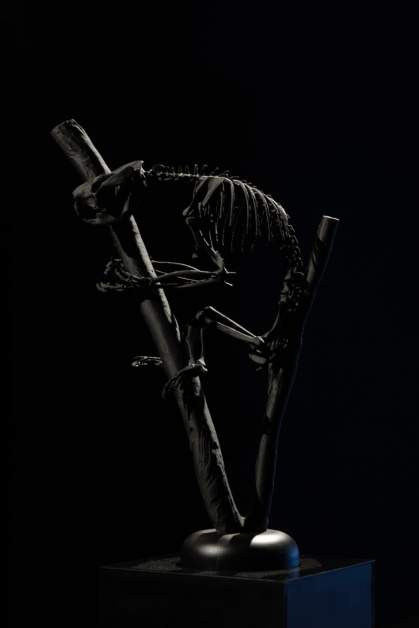
Ashes Remain, 2024
3D printed composite: carbon fibre PLA
86 x 54x 23 cm
An image-based reconstruction of a koala skeleton, printed in matte black carbon fibre PLA, becomes a photographic gesture: an image rendered in sculptural form. Composed from 36,000 individual photographs, the number reflects the estimated population of koalas remaining in the wild in New South Wales. This accumulation of images speaks to both presence and precarity, translating a fragile reality into a physical artifact. Like a silver gelatin print cast from a negative, the sculpture is a ghostly material trace of a once-living body captured by light.
The matte black surface evokes the aftermath of the 2019–2020 bushfires, where millions of animals perished, and vast tracts of habitat were reduced to ash. In this context, black is more than an aesthetic choice; it stands as a memorial gesture, echoing the charred landscape and the heavy silence that follows environmental catastrophe. Through the interplay of digital capture and additive fabrication, the work explores absence, memory, and ecological grief.
Through these technological processes, the piece reflects on how we record, remember, and mourn. It’s a gesture of grief shaped by technology, a response to loss that is both deeply personal and painfully global.
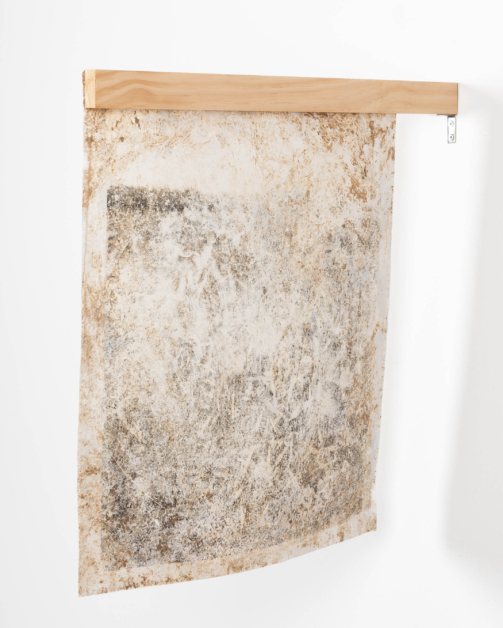
Landscape Eulogy, 2021-2024
buried silver gelatin print, wood
60 x 55cm
This artwork is part of an iterative series called Landscape Eulogy, in which I repeatedly returned to a particular landscape to document its cyclical nature of life and death through deforestation. Initially, I photographed this landscape and printed the images in the darkroom, only to return and bury the photographs under the soil, letting them rest for a year. They have since been exhumed and depict an image that has been erased by but also absorbed part of the landscape.
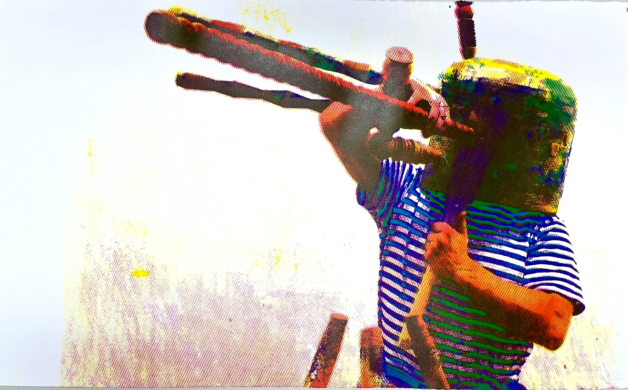
Cutting Off One’s Nose, 2025
screen print on paper
77 x 28 cm
Cutting Off One’s Nose is a CMYK separation screen print of a video still from my performance video Dismantling Odradek, it has been printed Purple – Magenta – Cyan – Yellow, with the purple replacing the Black (K) layer, printed first instead of last. The spindles in the Headbowl Odradek can be read as sensory appendages— feelers or telescopes, or as penetrating or defensive spears, arrows, barbs, or needles. The print is a rendering of a fantasy slime monster, filtered through multiple exposures and meshes.
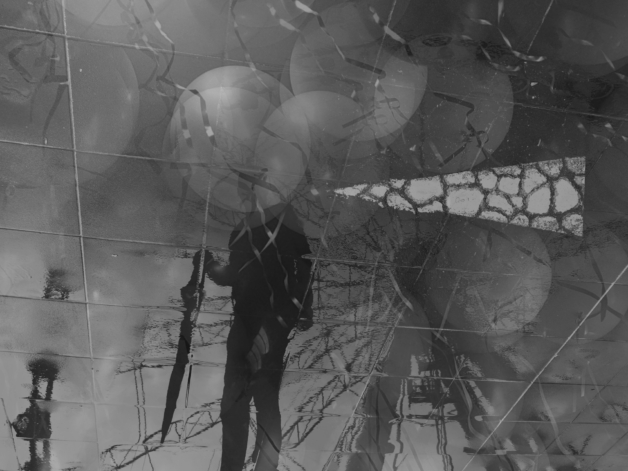
After the Rain, 2025
Giclee Print, Canson Platine Fibre Rag
41 x 52cm
Boris stood with his umbrella.
The pavement was wet.
Balloons floated, but only in his memory.
There had been a party once.
Now there was just his shadow.
He looked at it and did not say anything.
The sun would have made it warmer.
This was not warm.
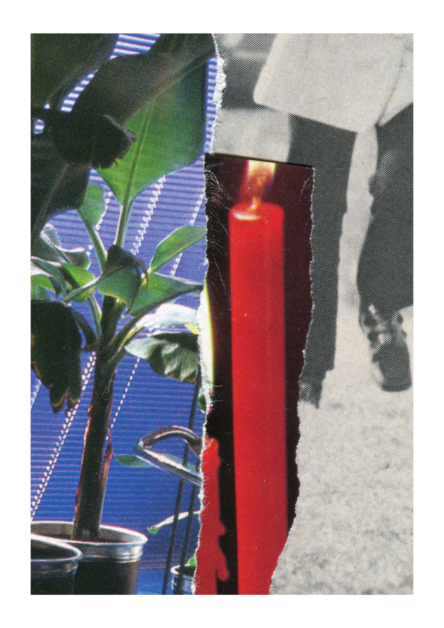
Int. Day., 2024
inkjet print of scanned collage
84.1 x 59.4cm
My practice of collage is one chance encounters. Physically manipulating images until something is revealed, or more so hinted at. Two images combined allude to a third: a poetic fiction, scenes of which we spectate.
My collages are created from my archive of gathered images, which I arrange and ‘rephotograph’ on a flatbed scanner. The anonymity of the found image protects the intimate expression of the work. Their physical qualities are of as much interest to me as their pictorial; ink dots and paper fibres reveal the corporeal life of the mechanically produced image.
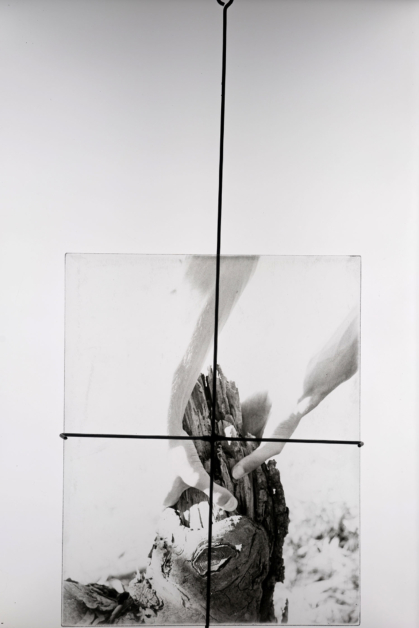
Untitled, 2025
photographic dry plate, gelatin silver print
25 x 23cm
Bridie Fitzgerald is a multidisciplinary artist working and creating in Naarm, so-called Australia.
After commencing her studies at the Victorian College of the Arts, Fitzgerald has specialised in working across several mediums of analogue lens-based creating. Her practice seeks to identify themes of place and personhood as she navigates her own understanding of her surroundings, and how she fits into the narrative of belonging in one’s own space.
Working with feelings stemming from both familiarity and unfamiliarity in the world around her, Fitzgerald navigates her impermanence as her work attempts to make these feelings of uncertainty tangible. Seeking beauty in the mundane and interconnectedness with the land and waterways, as she identifies personhood through place. Capturing still texture, holding the moment, looking closer, and indulging in the fervour of just being. Making sense of an ever-changing world and utilising the act of creating as an optimistic guide through an established appreciation for the artist’s incorporation in the process of making, an evocation which intermingles her interests in environmental sciences and creative photography.
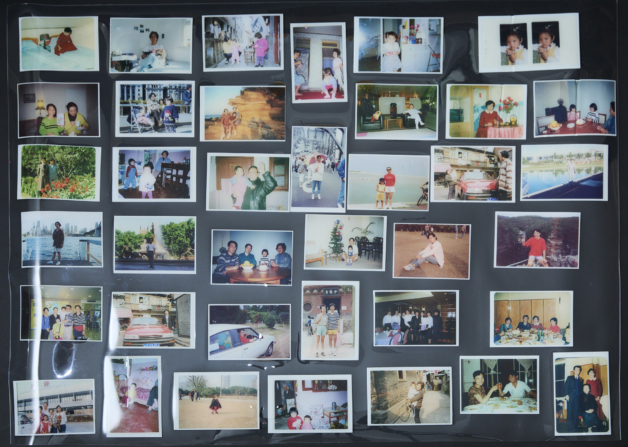
The Deconstruction of a Memory, 2024
Vinyl adhesive photographic prints on vinyl
100 x 73.5 x 0.5cm
A photographic installation piece reminiscent of a nostalgic vinyl tablecloth found in many Chinese immigrant households – commonly used to sandwich photographs, notes, or other keepsakes. Covering this sheet of clear vinyl in family archival photographs, I explore my own vulnerability on the topic of the Asian diasporic experience; reflecting on my own Chinese-Australian upbringing and identity, I ask how much of what we are and what we know is pieced together relying on memory and archival artefacts.